Introduction: A Strategic Shift Toward Proactive Community Safety
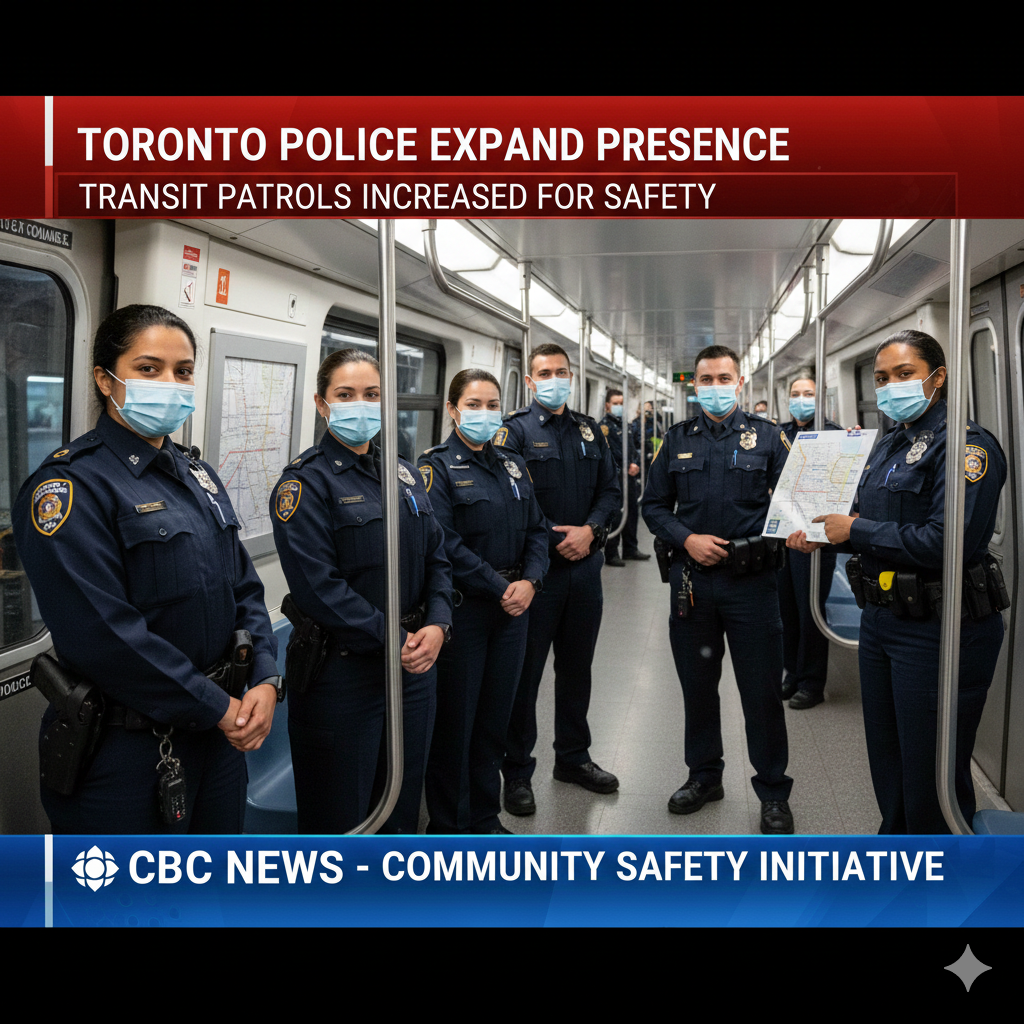
Toronto Police Services has announced a significant expansion of its community policing initiative, reinforcing its commitment to proactive public safety and crime prevention across the city. The updated plan will introduce additional patrol coverage in four new neighbourhoods while also strengthening officer presence on critical segments of the Toronto Transit Commission’s (TTC) Line 1 subway route. The move comes as part of a broader effort to address rising safety concerns, respond to community feedback, and prevent incidents before they escalate into emergencies.
Police Chief Myron Demkiw revealed the details during a media briefing on Wednesday, emphasizing that the program sets out to deepen engagement between police and local residents. By embedding officers directly within communities, Toronto Police aims to mend trust, deter crime, and offer consistent support to vulnerable populations. City officials and transit authorities have expressed confidence that the expansion will result in safer neighbourhoods and a more secure transit experience for daily commuters.
Expansion of Neighbourhood Community Officer Program
Four Neighbourhoods Added to the Initiative
As part of the new rollout, Toronto Police will assign 16 community officers to four targeted neighbourhoods by the end of the year. Each area will receive four dedicated officers who will operate within the Neighbourhood Community Officer (NCO) program. The selected communities include:
- Dufferin Grove
- Banbury-Don Mills / Victoria Village
- Wexford-Maryvale
- Etobicoke City Centre
These neighbourhoods were identified based on a combination of factors, including elevated rates of violent incidents, youth-related offences, proximity to schools and transit hubs, and recommendations from city planners and safety advisors. The goal is not just visibility, but meaningful presence, ensuring that residents recognize and trust the officers working in their area.
Role of Embedded Community Officers
Neighbourhood community officers play a unique role that differs from conventional patrol units. Rather than responding only to emergency calls, these officers are integrated into the daily rhythm of the community. They focus on relationship-building, early intervention, and collaborative problem-solving.
Chief Demkiw highlighted that these officers are often on a first-name basis with residents and business owners, enabling open dialogue and stronger cooperation. Their presence helps address issues such as recurring disturbances, youth engagement concerns, and minor criminal behaviour before it escalates.
By strengthening ties with community members, the program fosters a shared responsibility for safety, creating an environment where problems are addressed collectively instead of reactively.
Increased Police Presence on TTC Line 1
Targeted Subway Coverage for Rider Safety
In addition to neighbourhood expansion, Toronto Police is boosting its presence on Toronto’s busiest subway corridor, Line 1. Two high-traffic segments will receive consistent, seven-day-a-week officer coverage:
- Between Union Station and Wellesley Station
- Between Bloor Station and Eglinton Station
Four officers will be dedicated to each of these sections, providing ongoing supervision and rapid response capabilities. The goal is to ensure that riders feel protected throughout their commute, particularly during evening hours and in high-density zones where incidents have been more frequent.
Prioritized Stations and Integrated Support
Union and Bloor stations will receive prioritized patrols given their heavy foot traffic and historical safety concerns. Officers will work closely with TTC special constables, community engagement officers, and city crisis response personnel to assist individuals experiencing mental health emergencies, homelessness, or distress.
This integrated approach ensures that safety measures are not solely enforcement-driven but also include social support and compassionate intervention where necessary.
Preventative Policing and Crime Reduction Strategy
Focus on Deterrence Over Reaction
According to police officials, the expanded TTC patrols aim to prevent criminal activity rather than simply respond after an incident occurs. Officers will conduct routine monitoring, provide safety education to riders, and intervene during early signs of disruptive behaviour.
Toronto Police stated that their strategy is rooted in enforcement, awareness, and prevention. By maintaining a consistent presence, they hope to discourage offenders and create an atmosphere where public spaces are perceived as secure and monitored.
Responding to Community and Staff Feedback
TTC officials, including Chief Strategy and Customer Officer Josh Colle, noted that the selected subway segments were chosen based on recurring concerns raised by both transit staff and commuters. The enhanced deployment reflects ongoing communication between transit agencies and law enforcement and a shared commitment to improving passenger experience.
By addressing reported hotspots and staff anxieties, authorities aim to boost morale among transit workers while reassuring the public.
Leadership Support and Community Confidence
Police and City Leadership United
Toronto Mayor Olivia Chow voiced strong support for the initiative, highlighting the proven impact of neighbourhood community officers. According to the mayor, consistent officer presence leads to reduced crime rates and improved public confidence.
Mayor Chow emphasized that officers assigned to specific neighbourhoods gain valuable insight into local challenges, enabling them to respond with context and empathy. This long-term mission aligns with the city’s vision of equitable safety and inclusive law enforcement.
Chief Demkiw echoed this sentiment, stating that community policing is about collaboration rather than authority. He stressed the importance of co-developing safety initiatives with residents, ensuring that police efforts reflect local needs and realities.
Incident at Dundas Station Highlights Urgency
Stabbing Raises Immediate Safety Concerns
The announcement came on the same day as a serious incident at Dundas Station, where a TTC employee was stabbed and critically injured. A male suspect was apprehended and taken to hospital, alongside the injured employee, who was also receiving treatment.
Although the event occurred after the scheduled media briefing, it underscored the relevance of enhanced subway security. TTC CEO Mandeep Lali acknowledged the gravity of the situation and affirmed the organization’s partnership with Toronto Police to prevent further violence.
He reiterated that violent acts have no place within the transit system and that steps are being taken to hold offenders accountable while protecting staff and commuters alike.
Sustainable Growth Through Strategic Staffing
Multi-Year Hiring Plan Enables Expansion
Chief Demkiw noted that the expansion of the community policing program is supported by the service’s ongoing multi-year recruitment strategy. The hiring plan has enabled Toronto Police to allocate additional resources without compromising existing operational capabilities.
This sustainable approach ensures that increased coverage can be maintained over time, providing stability to both neighbourhood and transit patrol initiatives.
Long-Term Goals for Safer Communities
Strengthening Trust Through Consistency
The overarching objective of the expanded program is to rebuild and strengthen trust between law enforcement and Toronto residents. By becoming familiar faces within communities and transit systems, officers help dismantle barriers and create open channels for communication.
The strategy prioritizes prevention, engagement, and accountability, creating a holistic model of urban safety that extends beyond reactive policing practices.
Conclusion: A Balanced Approach to Public Safety in Toronto
Toronto Police’s decision to expand its community policing footprint and enhance TTC patrols represents a crucial investment in the city’s safety infrastructure. By deploying dedicated officers to high-need neighbourhoods and busy transit corridors, authorities aim to reduce crime, improve commuter confidence, and foster meaningful relations between law enforcement and the public.
With strong leadership backing, structured planning, and coordinated efforts between police, transit agencies, and city officials, Toronto continues to move toward a future where safety is shared, proactive, and deeply rooted in community collaboration. The initiative serves as a step forward in creating a more secure and harmonious environment for all who live, work, and travel across the city.
Leave a Reply